Cockatoos are beautiful, affectionate and full of personality. They’re also among the most demanding pet birds you can own. Many end up in rescues when owners realize how much time and attention they need. So, are cockatoos good pets? For the right person, yes. Here’s an honest look at what living with one is like.
Bottom Line: Cockatoos can be wonderful companions for experienced owners who are home a lot, can tolerate loud noise and are ready for a commitment that may last 40 to 70 years. They’re usually not a good fit for apartments, busy households or first-time bird owners.
Cockatoo Personality
Cockatoos are known as “velcro birds” because they bond strongly with their people. They often love cuddles, head scratches and being close to you. They’re also playful, clever and sometimes clownish.
That strong bond has a downside. Cockatoos can become demanding and anxious when left alone. See our guide to cockatoo separation anxiety.
Pros and Cons
| Pros | Cons |
|---|---|
| Very affectionate and social | Very loud, especially at dawn and dusk |
| Intelligent and trainable | Need several hours of interaction daily |
| Playful and entertaining | Prone to screaming and feather plucking if bored |
| Can live for decades | Long lifespan means planning for their future |
| Some can learn words and tricks | Very destructive chewers |
| Produce lots of feather dust, which can affect allergies |
How Loud Are Cockatoos?
Cockatoos are among the loudest parrots. Their calls can reach volumes comparable to a lawn mower or louder. Some calling at sunrise and sunset is normal and can’t be trained away. If neighbors share walls, this matters. Our article on how to stop parrot screaming has tips for managing excess noise.
Lifespan and Commitment
| Species | Approximate lifespan in captivity |
|---|---|
| Cockatiel (a small cockatoo) | 15–25 years |
| Goffin’s cockatoo | 30–40+ years |
| Umbrella cockatoo | 40–60+ years |
| Moluccan cockatoo | 40–70 years |
| Sulphur-crested cockatoo | 40–70 years |
Many cockatoos will outlive their owners. A plan for your bird’s future care is part of responsible ownership.
Time and Space Needs
- Daily interaction: at least 3 to 4 hours of out-of-cage time and attention
- Cage size: large. See our cockatoo cage setup guide.
- Enrichment: constant supply of chewable, shreddable toys
- Sleep: 10 to 12 hours of quiet darkness each night
Health Concerns
Cockatoos are prone to:
- Feather destructive behavior. See feather plucking in parrots.
- Psittacine beak and feather disease (PBFD). See PBFD in cockatoos.
- Obesity and fatty liver, especially on seed-heavy diets
- Hormonal behavior and egg-laying problems in females
Yearly checkups with an avian vet help catch problems early. The Merck Veterinary Manual also recommends regular weight monitoring for pet birds.
Feather Dust and Allergies
Cockatoos produce a fine powder from special feathers that keeps their plumage waterproof. This dust settles on furniture and can trigger allergies or asthma in some people. Air purifiers and regular bathing help.
Is a Cockatoo Right for You? Questions to Ask
- Am I home most of the day?
- Can my household and neighbors handle loud calls?
- Can I afford a large cage, toys, food and avian vet care?
- Am I prepared for a bird that may live 40 years or more?
- Do I have a plan if I can no longer care for my bird?
Consider Adoption
Many cockatoos are waiting in rescues. Adopting from a parrot rescue often comes with support and information about the bird’s personality.
Alternatives to Consider
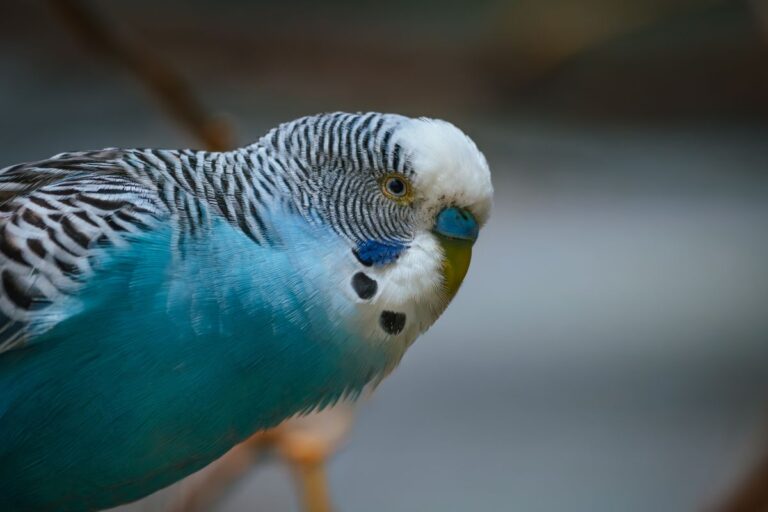
If a large cockatoo isn’t right for you, consider a cockatiel, which is a member of the cockatoo family, or a smaller parrot like a budgie. See our budgie care guide for beginners.
When to Call Your Vet
Book an avian vet visit soon after bringing a cockatoo home, and call promptly if you see plucking, weight loss, beak or feather changes, or fluffed, sleepy behavior.
Frequently Asked Questions
Can cockatoos talk?
Some can learn words and phrases, but they’re not known as the best talkers. They’re more famous for affection and personality.
Are cockatoos good with children?
They can be gentle, but their strong beaks can cause serious bites. Supervision is essential.
Can a cockatoo live alone?
Cockatoos need a lot of social contact. If no one is home much of the day, a cockatoo will likely struggle.
How much does a cockatoo cost to care for?
Beyond the purchase or adoption fee, budget for a large cage, a steady supply of toys, pellets and fresh food, and yearly avian vet visits. Toy costs alone can add up quickly because cockatoos destroy them fast.
Do cockatoos bite?
Any parrot can bite, and a cockatoo’s beak is very strong. Most bites come from fear, overexcitement or hormones. Reading body language and positive training reduce the risk.
This article is for general information only and isn’t a substitute for professional veterinary advice. If you’re worried about your pet’s health, contact your veterinarian or an emergency animal hospital.